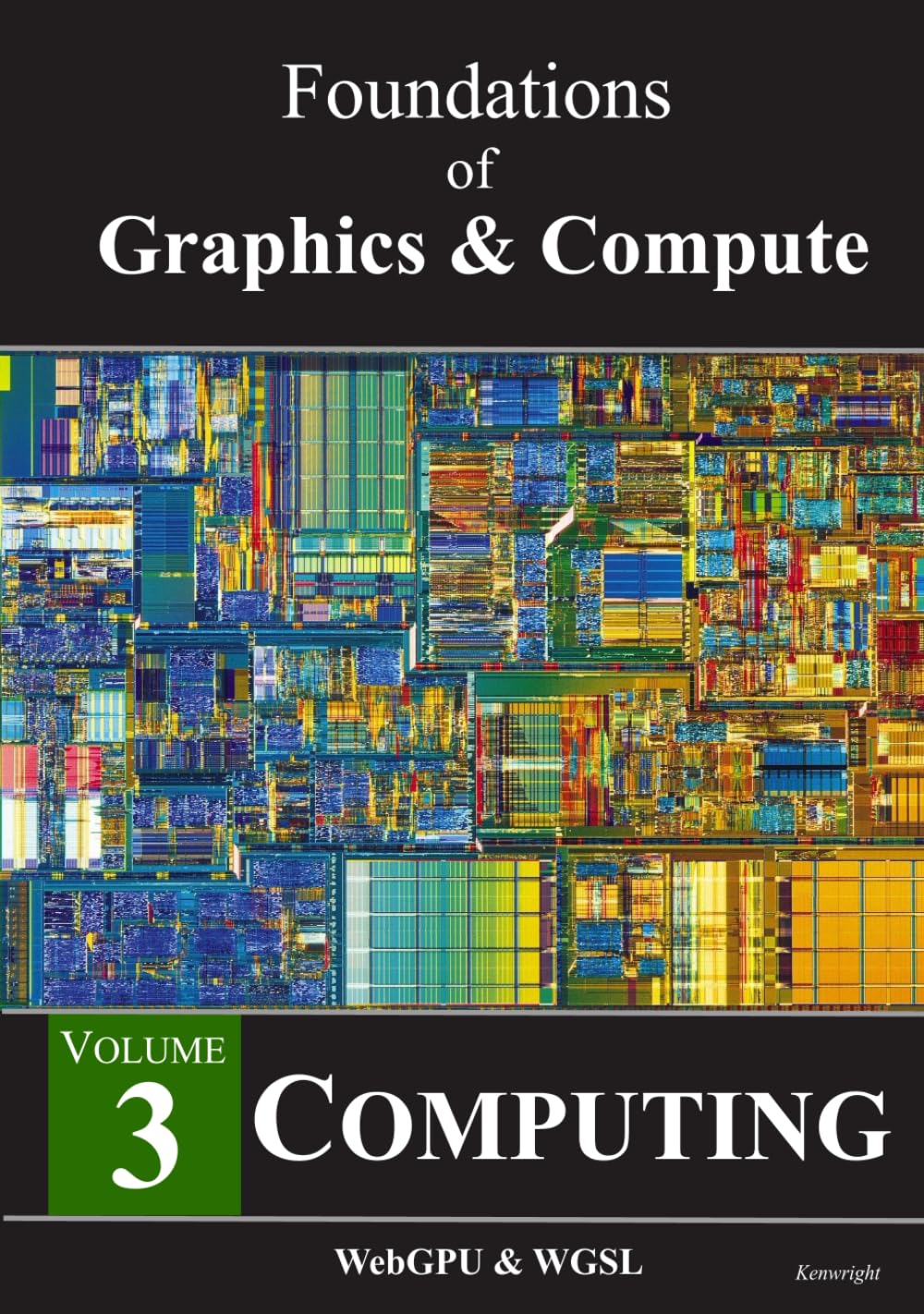
Foundations of Graphics & Compute - Volume 3: Computing (Hardback)
A groundbreaking work that transforms our understanding of the subject. This book has been acclaimed by critics and readers alike as a must-read masterpiece.
Book Description
In this compelling and insightful work, the author delves deep into the subject matter, providing readers with a comprehensive understanding that is both accessible and profoundly enlightening.
Key Features:
- Comprehensive coverage of all essential topics
- Real-world examples and case studies
- Practical applications and implementation guidance
- Interviews with leading experts in the field
- Actionable insights you can apply immediately
Whether you're a novice looking to understand the basics or an expert seeking advanced insights, this book offers value at every level. The clear writing style and thoughtful organization make complex concepts easy to grasp.
What You'll Learn:
- The fundamental principles that underlie the subject
- How to apply these principles in practical situations
- Advanced techniques used by professionals in the field
- How to avoid common pitfalls and mistakes
- Strategies for continued learning and mastery
Customer Reviews
4.8
based on 1,242 reviews

Natalie Brooks
Tech Educator
"Highly recommended! Engaging from start to finish."

Kevin Liu
Tech Journalist
"Highly recommended! Engaging from start to finish."

Sophie Nguyen
UX Designer
"Fantastic read! Couldn't put it down. 5/5 stars!"

Dr. Omar El-Sayed
Machine Learning Lecturer
"Fantastic read! Couldn't put it down. 5/5 stars!"

Professor A. Gupta
Literary Critic
"Foundations of Graphics & Compute - Volume 3: Computing (Hardback) represents a significant contribution to the field. The author's meticulous research is evident throughout, with extensive references to both classical and contemporary works. The theoretical framework provides a robust foundation for the arguments presented, making this essential reading for scholars."
Reader Discussions

StorySeeker
Apr 8, 2026A brilliant walkthrough of robotics kinematics—clear diagrams and solid math throughout.

BinaryMuse
Apr 26, 2026The writing style is technical but never dry. It keeps you engaged while challenging your thinking.

AstroCryptid
Apr 24, 2026This book arrived just as I was tackling a tough robotics problem. It felt like a mentor in print.

VerseVoyager
Apr 29, 2026I couldn’t stop reading—finally a technical book that’s both rigorous and engaging.

PrimeFactor
Apr 26, 2026The writing style is technical but never dry. It keeps you engaged while challenging your thinking.

StorySeeker
Apr 18, 2026A goldmine for anyone working in computer vision—concise, practical, and well-researched.

QuantumDrifter
May 1, 2026This is the kind of book that makes you want to open your IDE and start experimenting.

ChronoNavigator
Apr 24, 2026The pacing is ideal—dense enough to challenge, but never overwhelming. A masterclass in technical writing.

StellarSynth
May 3, 2026This book completely reshaped how I approach algorithm design. The author's clarity is unmatched.
Join the Discussion
Related News
You May Also Like
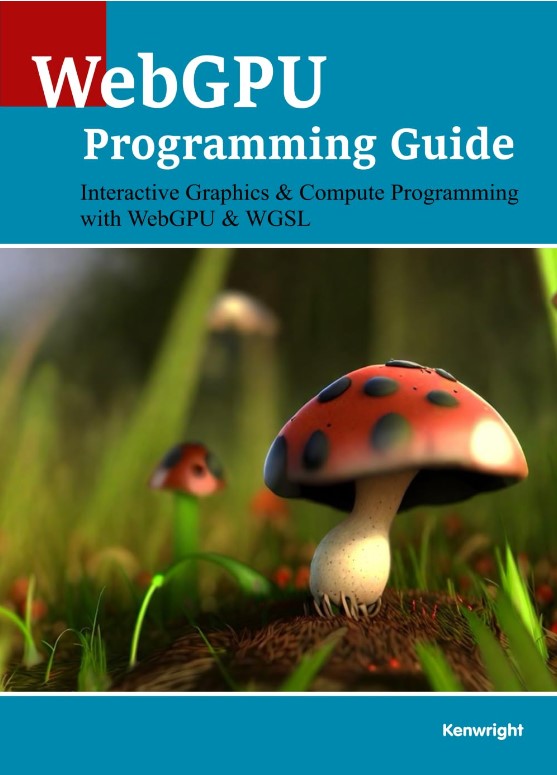
WebGPU Programming Guide: Interactive Graphics & Compute Programming with WebGPU & WGSL (Paperback)
by Author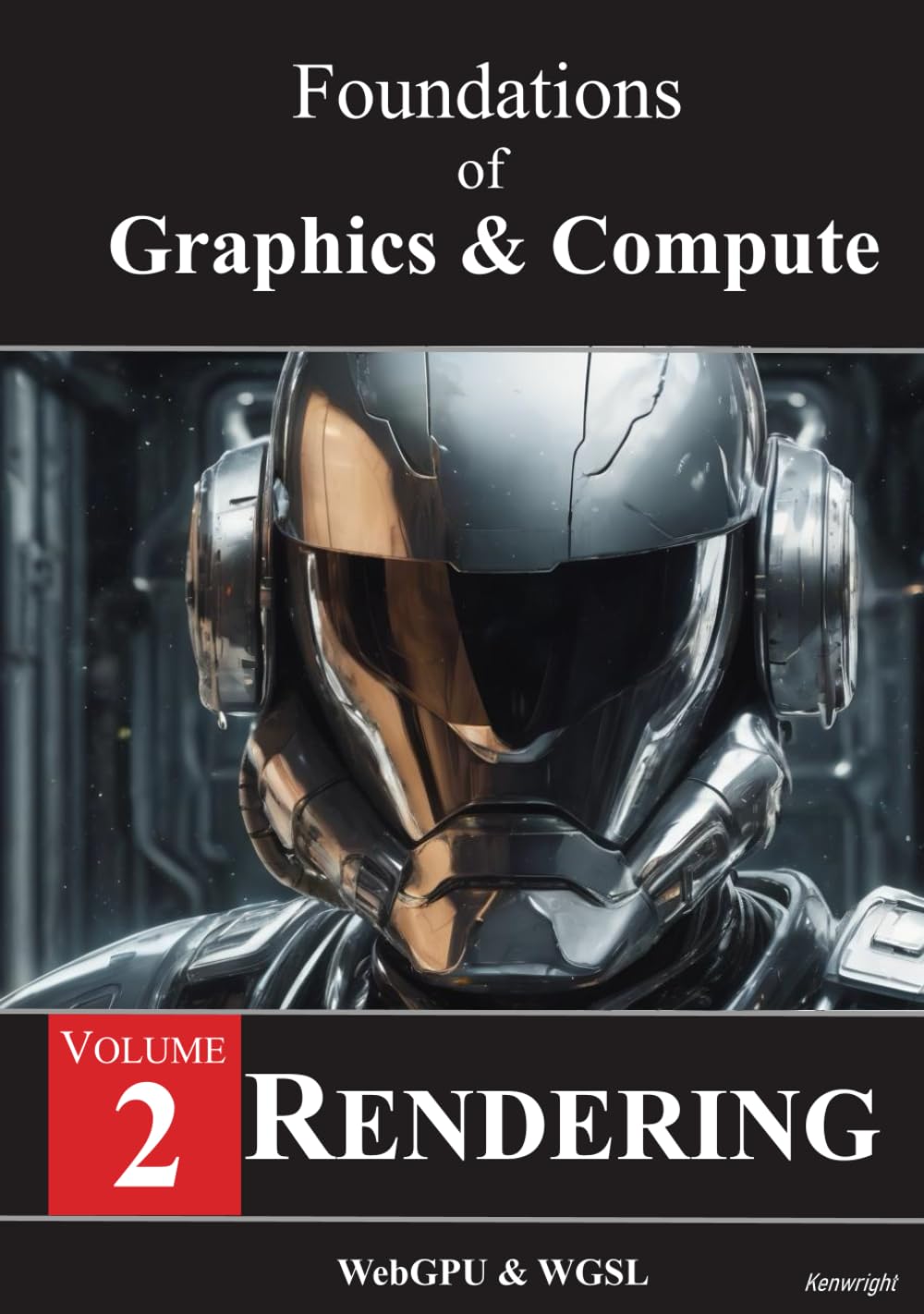
Book Statistics
Find This Book On
Awards & Recognition
- #1 Bestseller in Category
- Editor's Choice Award 2023
- Reader's Choice Award
- Book of the Month Selection